The Silent Valleys of Kyoto: A Guide to Off-Season Wandering
Beyond the bustling autumn peaks lies a serene, rain-misted realm of ancient bamboo groves and contemplative wooden teahouses.
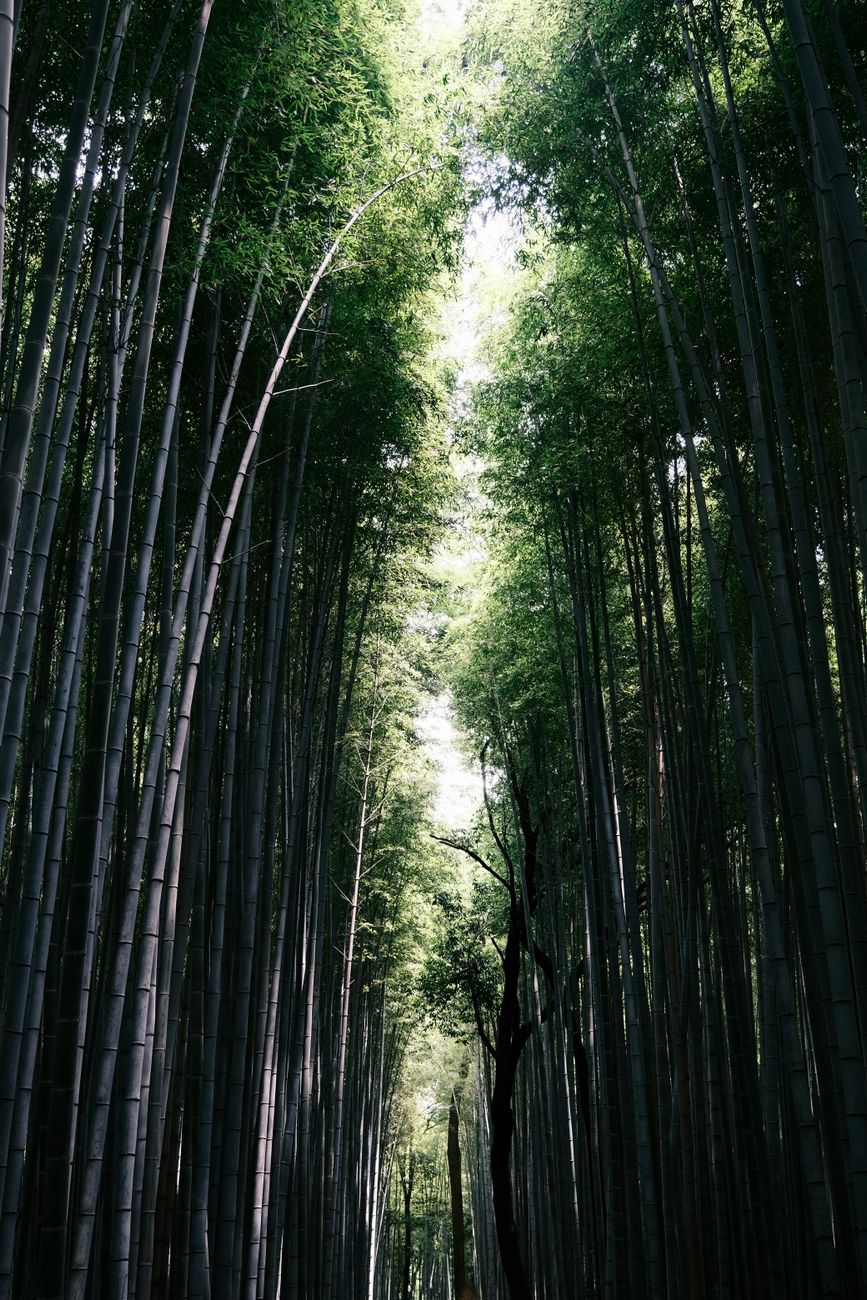
1. Escaping the Golden Route
Kyoto is often depicted through images of crowded torii gates or packed cherry blossom promenades. However, traveling during late winter or early spring reveals a profoundly different landscape. When damp mountain mists roll down from Mount Hiei, the city's ancient northern periphery transforms into an intimate, reflective sanctuary.
"In the quiet dampness of Ohara, the sound of water dripping from cedar eaves carries more weight than any guidebook commentary."
2. The Moss Sanctuary of Ohara
Taking a local bus 45 minutes north of Kyoto station brings travelers to Ohara, a rural village nestled in a narrow valley. Here, Sanzen-in Temple sits amidst centuries-old moss gardens shaded by tall Japanese cedars. In off-peak months, visitors can sit for hours on the wooden veranda overlooking the gardens without hearing a single loudspeaker or camera shutter.
3. Winter Tea Rituals & Ryokans
Staying at a small traditional ryokan during the colder months allows one to experience authentic hospitality. Dinner consists of hyper-seasonal kyo-kaiseki featuring simmered mountain root vegetables, tofu, and local green tea brewed at precise temperatures.
4. Practical Off-Season Notes
- Best Months: Late January through early March for minimal crowds and serene weather.
- Transport: Purchase an ICOCA card for seamless local bus transitions into northern valleys.
- Attire: Layered thermal clothing and easily removable footwear for temple interiors.